Australia
Since March 3, 2026
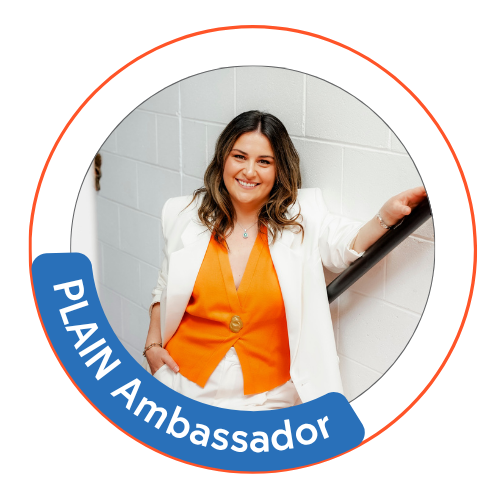
PLAIN Ambassador
Jamila Savoy
What first inspired you to get involved with plain language?
I kept seeing information that was technically correct but impossible to understand and it was labelled ‘accessible’. That’s what drew me into accessible communication more broadly. Then I realised that plain language is often the first step. If people can’t understand the words, nothing else really matters. It’s like building an accessible door that no one can figure out how to open.
How did you become a plain language ambassador?
Through my work with Plain Language Matters, I became part of a broader community focused on clear, accessible communication. That led to a connection with the Plain Language Association International and the opportunity to contribute more formally. Becoming an ambassador felt like a natural extension of the work I was already doing.
Why is plain language important to you personally or professionally?
Plain language sits at the intersection of accessibility, equity and trust. If people can’t understand information, they can’t act on it, and that has real consequences. Professionally, it’s about improving outcomes; personally, it’s about fairness.
Can you describe a project where plain language made a real difference?
I’ve worked with educators to rewrite student reports so families can clearly understand their child’s progress. The shift wasn’t just about simpler wording, it changed how parents engaged with schools. When communication became clearer, conversations became more productive and trust improves.
What’s your process for simplifying a complex text?
I start by asking: who is this for and what do they need to do with it? Then I strip back unnecessary words, jargon and structure so the key message is clear and easy to follow. Finally, I test whether someone outside the context could understand it the first time. If not, it’s not done.