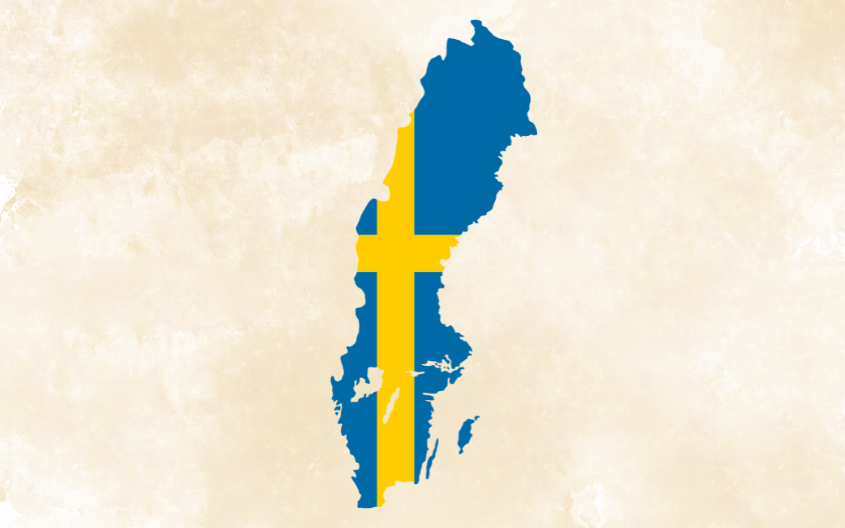
In Sweden, plain language in the public sector has a history of more than 50 years. Already in 1713, the king Charles XII ordered official documents be written in "clear Swedish."
Four important milestones have contributed to the solid framework for plain language in the public sector today:
- 1967: Introduction of plain language guidelines for legal writing
- 1978: Establishment of a university program for language consultants
- 2006: Establishment of the Language Council of Sweden
- 2009: Publication of the Language Act that includes a section on plain language: "The language of the public sector is to be cultivated, simple and comprehensible."
The Language Council is a department of the official language authority called the Institute for Language and Folklore (Isof). For anyone involved in plain language, especially in the public sector, the Language Council is an essential source of guidance. It provides tools and inspiration regarding all aspects of plain language, from concrete advice on writing to how to plan, initiate, and conduct plain language projects and comply with requirements of the Language Act. The Language Council also arranges plain language conferences, gives lectures on plain language to the authorities, and supports networking among plain language professionals.
In 2019, the Language Council conducted a study among 631 public agencies on national and regional level as well as municipalities. The results show that 82 % of the respondents work with plain language and do it with guidance and support from the Language Council. Many agencies employ plain language professionals with a university degree as language consultants.
The ISO plain language standard has been translated into Swedish, with a "national foreword" that comments on the standard from a Swedish perspective.
Official resources in plain language from Isof:
- https://www.isof.se/klarsprak (Swedish)
- https://www.isof.se/other-languages/english/plain-swedish-language (English)
- Plain language and professional writing: A research overview on implementing plain language in workplaces (English)
Sweden
In Sweden, plain language in the public sector has a history of more than 50 years. Already in 1713, the king Charles XII ordered official documents be written in “clear Swedish.”

South Africa
South Africa adopted multilingual policy after 1994, embedding plain language in law, consumer protection, and public communication, with ISO adoption in 2024.