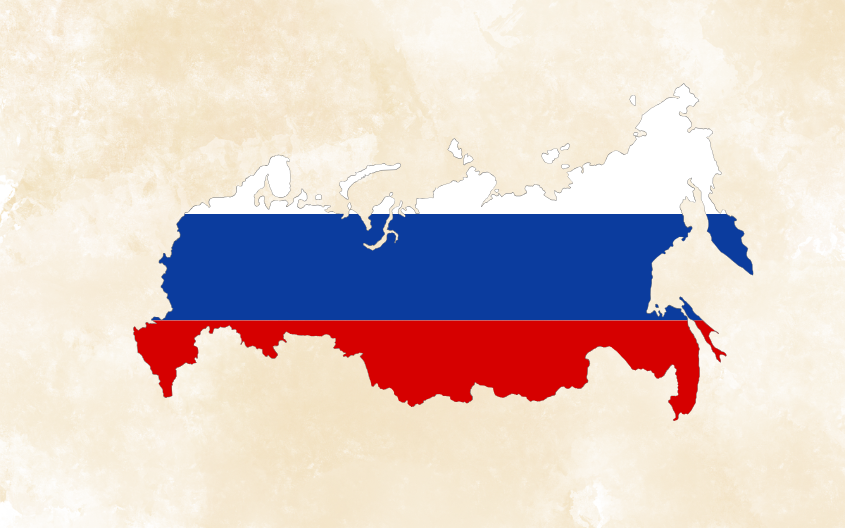
The general tendency in Russia is to produce clear, concise, and accessible content supported by effective design. Simple and clear language is widely promoted in UX writing and digital communications.
Even though Russia doesn't have any laws or standards for plain language (yet), many online resources are written in simple and understandable language to make important information more widely accessible. For example, the government portal Gosuslugi.ru follows the main principles of plain language to provide accessible information about state and municipal services. The Central Bank of the Russian Federation launched the Fincult.info website to give clear financial advice and "form a financial culture among citizens." The telecommunication company Beeline explains its services in "simple language that everyone understands."
In 2018, a project named "Translation into Easy and Plain Languages in Russia" was launched to promote and develop these concepts at all levels and offer educational programs. In 2022, the project group started developing a national standard for plain Russian.
Sweden
In Sweden, plain language in the public sector has a history of more than 50 years. Already in 1713, the king Charles XII ordered official documents be written in “clear Swedish.”

South Africa
South Africa adopted multilingual policy after 1994, embedding plain language in law, consumer protection, and public communication, with ISO adoption in 2024.