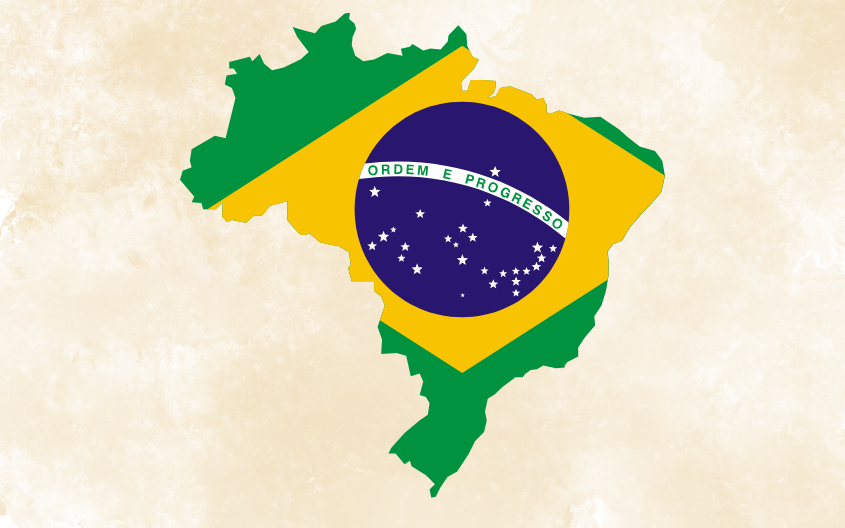
In the 2010s, discussions about plain language emerged in various sectors, including government, industry, and academia. At that time, there were no national guidelines or training on the subject. Heloisa Fischer, an entrepreneurial trainee, pioneered this field by developing a method for training and spreading plain language writing skills. Government innovation labs began offering training, with some featuring Heloisa as an instructor, while other researchers conducted investigations to advance the fundamentals of this approach.
Despite these efforts, the discussion and application of plain language remained limited. Only in 2020, the Brazilian government established guidelines to evaluate a text in plain language, following examples set by local governments such as the State Government of Ceará and the Municipal Government of São Paulo. However, these guidelines were insufficient to advance the use of plain language across the country. Many innovation labs and other government organizations published their own versions and suggestions to guide documents in plain language and started programs to train new professionals within their institutions.
When the ISO plain language standard was published, many professionals sought to adopt and reference it to boost plain language efforts. However, it was recognized that only a Brazilian standard could truly effect change. In 2023, the Brazilian National Standard Association (ABNT) formed a workgroup to translate the ISO standard, involving professionals already engaged in the field. This collaborative effort resulted in the Brazilian version, ABNT NBR ISO 24.495-1, which was published in July 2024 and is now widely disseminated, reflecting the shared commitment of professionals to advance plain language in Brazil.

Sweden
In Sweden, plain language in the public sector has a history of more than 50 years. Already in 1713, the king Charles XII ordered official documents be written in “clear Swedish.”
South Africa
South Africa adopted multilingual policy after 1994, embedding plain language in law, consumer protection, and public communication, with ISO adoption in 2024.