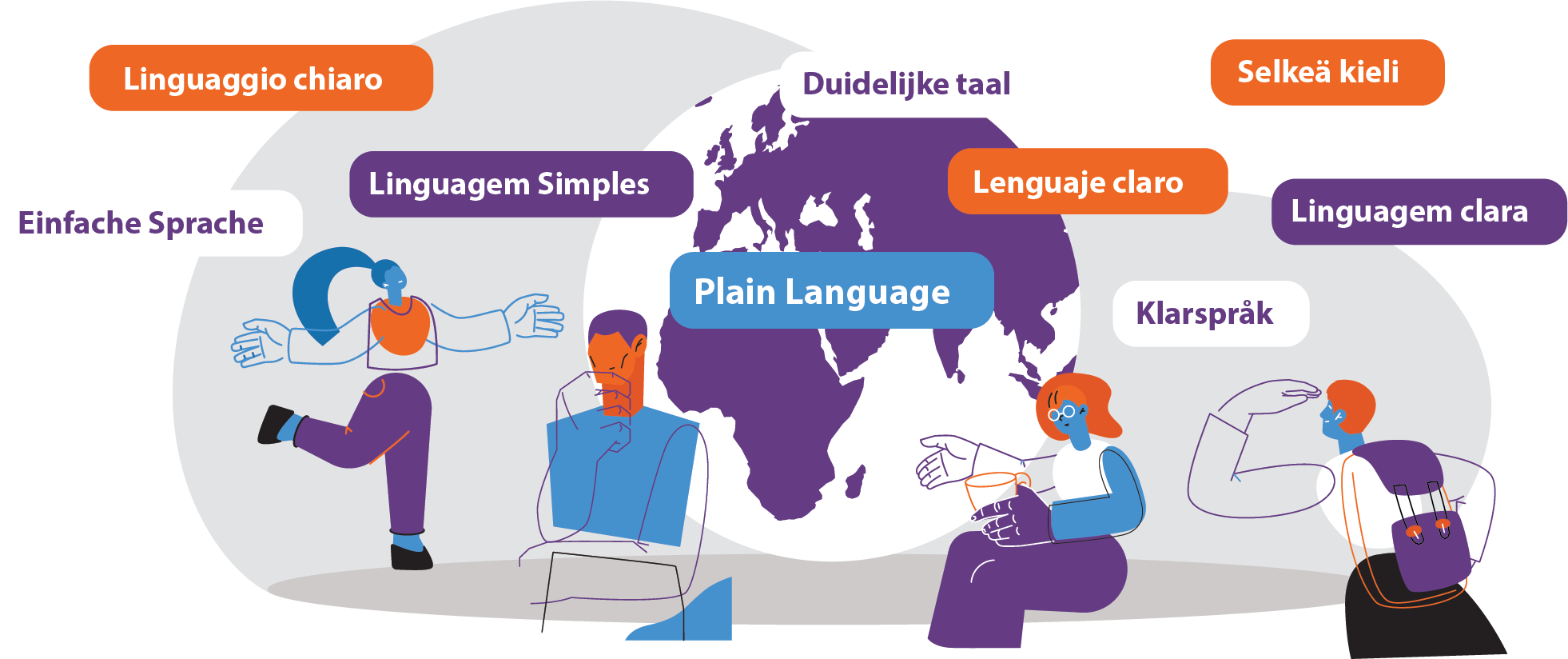
The Netherlands places significant emphasis on plain language across various sectors. The largest initiative is called "Direct Duidelijk," which targets all government organizations. This campaign includes a website, training sessions, workshops, webinars, and more. Many government bodies have established Direct Duidelijk departments to ensure clear communication.
Numerous companies specialize in making communication more accessible for everyone. The Dutch Language Union (Taalunie) collaborates with Flanders (Belgium) to strengthen ties in this area, as both regions share the same language. While the law doesn't require to use plain language, there is considerable pressure from entities like the National Ombudsman. Various advocacy groups, especially those representing people with low literacy skills, actively promote clear communication.
Several official resources are available in plain language: Gebruiker Centraal, Taalunie on Understandable Government Language, and Taalunie on Understandable Legal Language.
The Netherlands doesn't have any plain language laws. The ISO Plain Language Standard hasn't been translated into Dutch or adopted in the Netherlands.

Belgium
Plain language in the Flemish region has been booming since 2017. Around that time, the Flemish government started a campaign called Heerlijk Helder (“delightfully clear”).
Australia
Plain language in Australia has regained significant traction in recent years, with an increasing emphasis on clear and accessible communication across many sectors.