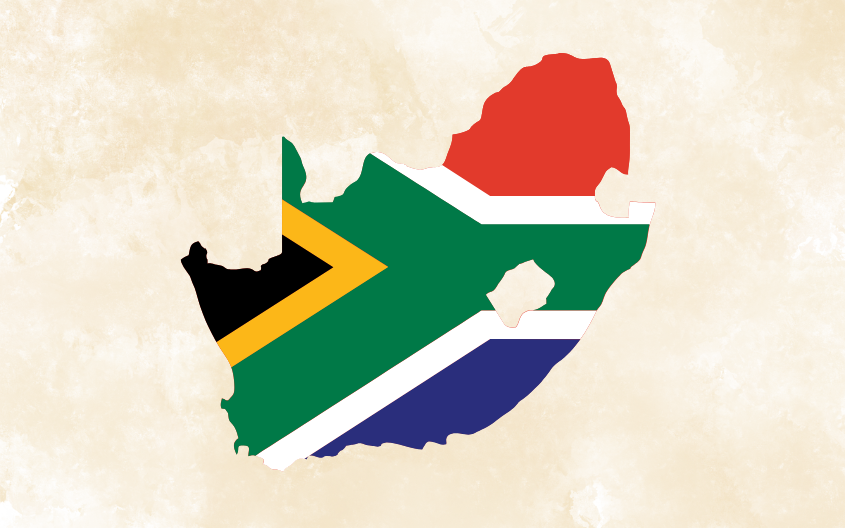
Before 1994, only Afrikaans and English were recognized as official languages in South Africa. This policy excluded most of the South African population, who were not proficient in Afrikaans or English, from social mobility, good quality education, and economic freedom.
When South Africa became a democracy in 1994, the language policy was reconsidered, and all 11 languages are now considered equal. The new constitution created the opportunity to develop a plain language culture in South Africa.
The South African government enlisted the help of international plain language experts, such as Phil Knight and Christoper Balmford, to draft the new constitution. The draft of the new Constitution underwent a rigorous process of user testing and public participation.
Today, several South African laws, regulations, and codes of practice require private organizations to use plain language in their customer communication. Section 64 of the Consumer Protection Act 68 of 2008 defines plain language, reflecting the same focus and outcome as the international definition.
Plain language is also prevalent in other sectors. The not-for-profit sector, for example, played a leading role in developing public and human rights information in plain language. The topics covered include HIV/AIDS, women's rights and gender issues, socio-economic rights, and voter education.
South Africa adopted the ISO standard for Plain Language on 15 March 2024.
Canada
Canada has led plain language efforts since the 1990s, with national organisations, government guidance, and standards aligning with ISO and expanding across sectors.
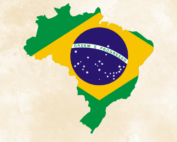
Brazil – Linguagem Simples
In the 2010s, Brazil’s plain language movement grew slowly, later strengthened by guidelines, training, and a national standard published in 2024 which was widely adopted.