Brussels Plain Language Experience 2025
Virginia St-Denis
Managing Editor
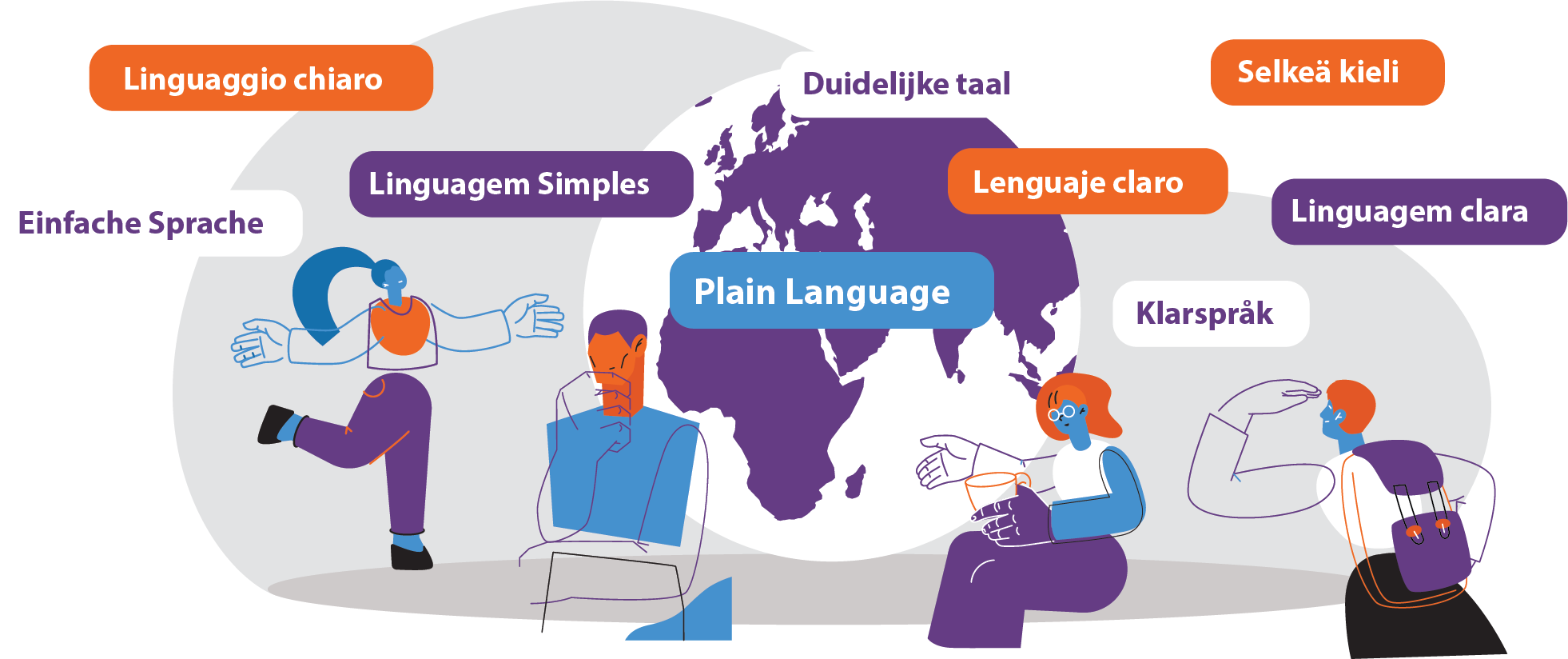
As much as I wanted to attend the Brussels Plain Language Experience 2025 in November, I could not make the trip. I know I’m not alone. By all accounts, it was an amazing experience for people who attended. Sharing knowledge from around the globe generated energy and inspiration to expand plain language understanding and usage.
While this issue of the PLAIN eJournal cannot re-create that energy, I hope sharing some of the knowledge that was presented in Brussels can inspire you, our readers, in your work.
This issue starts with summaries of presentations on things to consider before starting plain language work. First up is Lorenzo Carpanè‘s article on how neuroscience supports plain language, providing further support for our work.
Then Neil James uses the ISO 24495-1:2023 Plain language Part 1: Governing principles and guidelines and rhetorical content analysis to discuss the ethics of commercial emails. Read his article, Motivating readers ethically using ancient and modern tools.
After that background, this issue turns to the plain language principles from the ISO plain language standard.
Readers get what they need (relevant)
Principle 1 also includes not giving readers what they do not need. Ronald M. Hyams shares highlights from his presentation Plain language and lean information: How to build information quality cultures in AI-driven organizations.
Readers can easily understand what they find (understandable)
While this issue does not include anything on Principle 2 (findable), it does have 4 articles on Principle 3 (understandable).
Making science communication understandable is particularly challenging, both for the content and the scientists. In her article Scientists: Tell me what you really think, Antoinique van Staden shares scientists’ perceptions of plain language, language practitioners, and effective interdisciplinary communication.
Antonio Martín Fernández proposes a scale to show the real presence of plain language in a country, based on its laws and on how far its administrative, territorial, social, and business structures have implemented those laws. Learn more in his article Plain language legislation in Spain: What is your country’s plain language level? Laws and more.
Eero Voutilainen asks another important question about governments’ use of plain language in his article, Should official transcripts of parliamentary meetings be in plain language?
Of course, effective governments need citizen participation, which needs people to understand what their elected officials are doing. Shannon Spruit, PhD. and Floor van Horen cover that in Plain language in citizen participation: Lessons from 4 years of collaboration.
Readers can easily use the information (usable)
When organizations work toward Principle 4, plain language can be a sound investment, even in difficult times. That’s one of the conclusions Heidi Bunæs Eklund shares in her article, Plain language pays off — documented results from Norway.
Also in this issue…
Many of the sessions at the Brussels Plain Language Experience 2025 were geared toward attendees being experienced in plain language. But what about people who are new to our field? Sean Driver says Confidence is key: How to make plain language training participants believe they can make a difference.
As with most issues of the PLAIN eJournal, we end with an update from the International Plain Language Federation.
PLAIN members get access to the full eJournal and previous volumes. Join the community and make the world a simpler place.