The culture of plain language
Hannah Sapunor-Davis
Managing Editor
What do we mean when we say “culture of plain language?” That may have been your reaction when you read the very title of this edition of our e-journal. Culture is such a vast, all-encompassing thing. Culture shapes us, sure. But we also shape culture. And round and round we go!
Like a fish who doesn’t know what water is, it can be difficult to point to exactly how the culture we’re immersed in affects us. The systems that structure our daily lives, the language we read and hear, how open or closed daily communication is with one another. These all influence our experiences, whether or not we are aware of them. But you’ll see how the authors in this issue have turned their discerning eyes to the proverbial water and lay out plans for shifting the culture around us for the better.
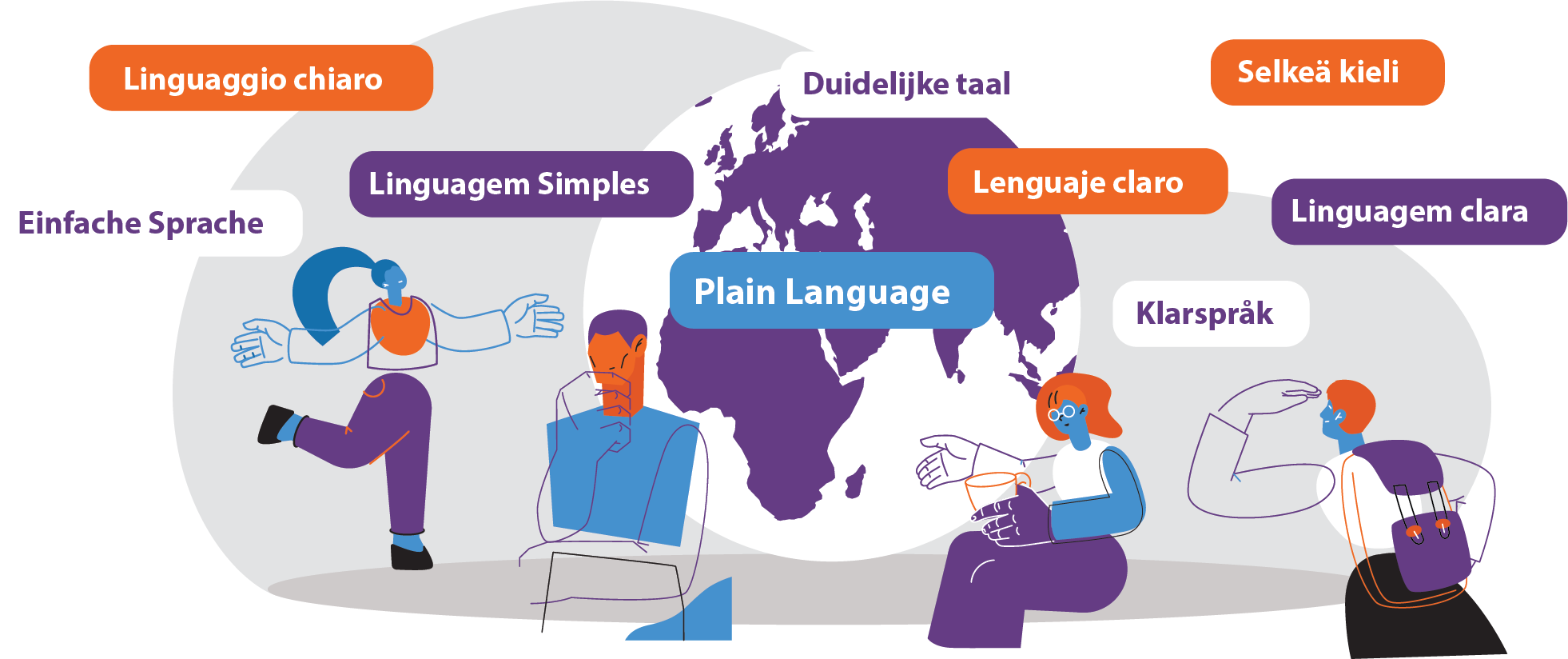
With such a diverse membership, this looks different from person to person. Some live and work in a culture where plain language is central, while others are trying to change a culture where people are suspicious of or downright reject plain language. Many of us probably find ourselves in the middle – people are convinced of the why, but maybe not so sure of the how.
We often have to celebrate the small wins while we continue to push forward, sometimes with limited resources or support. It can be hard to spot progress with the naked eye. It starts with changing opinions and minds, which can be slow going. But then we can really party when we see plain language in action. I hope this collection of articles offers new ideas, questions, or actions for whatever particular culture you’re reading this from.
First up, we have Ema Naito with a compelling example if there ever was one of a workplace where plain language can have a far-reaching impact – the United Nations. This is followed up by a series of intriguing case studies from around the world.
Adelyse Morais Lopes and Mariana Bicalho Machado provide some intriguing examples of how they built a culture of plain language in a Brazilian Court of Justice, which might just spark some ideas for your own workplace. Then Irema Ferrez Vega recounts how plain language was used to streamline requests for public information in the Government of Catalonia. Finally, Stephanie Guillaume looks back on how her company helped a client introduce plain language to a field where trust was lacking – the insurance field.
The next round of contributors assess how plain language can be used to impact specific fields or industries. Lynn Dare and Liz Martin discuss how they use plain language in program evaluation. Fahmeena Odetta Moore analyzes how clearer communication could improve system messages in technology – a pain I’m certain we’ve all come up against before.
And following this, a team from the pharmaceutical field in India make the case for more plain language training in the healthcare field, particularly for those dealing directly with the public. And then we have a fascinating summary of research by Aleksandra Łuczak that takes a look at how legal students in Poland view plain language relative to their future careers and professional status.
Then we have a few appeals for more plain language, which I’m sure our audience will quickly get behind. Greg Moriarty proposes a playful analogy to look at how workplace writing is not always welcome in “the land of plain language.” Then, Filipa Moreno makes the case for more plain language in journalism, and why this is key for upholding a culture of democratic values.
Our regular “Ask the Experts” feature brings together 2 exciting discussions about culture change and culture norms. This time we have Mary Jane Nirdlinger, who offers her experience from the local government perspective, and Gary Smith, who approaches the topic from the translator angle.
And finally we also have 2 updates from the International Plain Language Federation. Gael Spivak lays out some of the impressive work that has been done so far to implement the standard across cultures and language groups. After that, Neil James reveals some exciting developments on the horizon, which are certain to help us to build a robust and worldwide culture of plain language.
If you’re looking for ideas about how to build a culture of plain language, or have examples of your own to share, reach out to our authors, post a message in one of our LinkedIn groups, or join us at a future in-person or virtual event.
We invite all voices to contribute to the conversation. We are always open to ideas for future topics of the journal – as well as feedback on previous issues. Please get in touch with us at publications@plainlanguagenetwork.org.
Happy reading!