Collaboration
Hannah Sapunor-Davis
Managing Editor
There is a great quote by Japanese writer Ryūnosuke Akutagawa that goes “Individually, we are one drop. Together, we are an ocean.” This saying is helpful to me in times when I need to shift my perspective. Some people, such as myself, work alone most of the time. Some may simply feel alone in their plain language work. And the work can feel small and insignificant. But this quote comforts me with the reminder that the power for effecting change lies in our combined efforts.
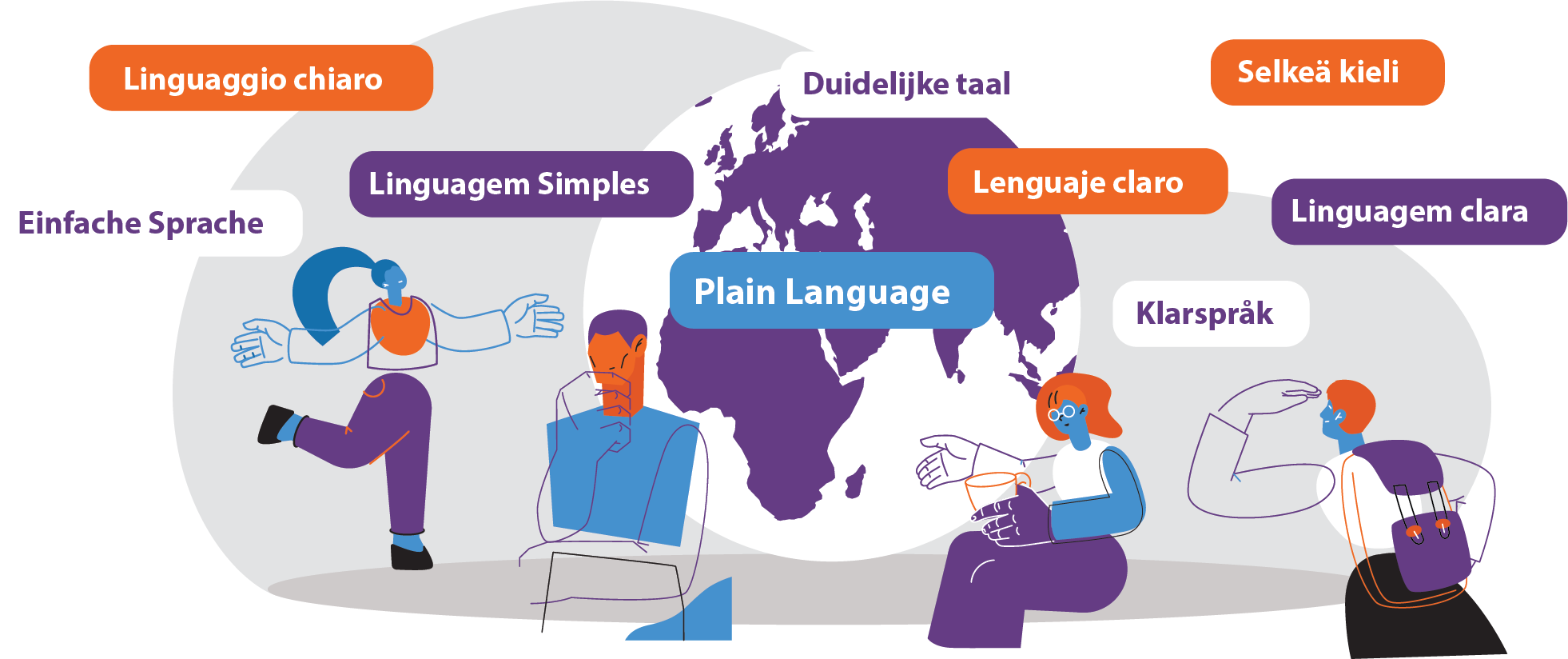
Collaboration in this field can come in many different forms: with users, with colleagues, with mentors, with international peers, even with technology. Each form of collaboration is valuable and contributes to the greater evolution of the plain language field. The writers of this issue offer their experience and advice for where and how to seek opportunities for collaboration in plain language. I hope the gathered wisdom here helps you in your current areas of teamwork or perhaps helps you prepare for future opportunities.
First, James Hanington starts our collaboration journey off with some tips for fostering a culture of plain language. His story details some practical advice, as well as aspirational messages for how to nurture a working environment where plain language is known, welcomed, and implemented at the first steps.
Then we have 2 contributions from our colleagues at the Institute for Language and Folklore in Sweden. Ingrid Olsson and Gabriella Sandström describe their new mentor program, which is an opportunity for new plain language practitioners to be matched with experienced ones, enabling an empowering learning relationship for both sides. Then Karin Webjörn explains how cooperation with terminologists helps pave the way for clear language, as exemplified by her experience on the Sustainable Development Group.
We hear more practical experience and advice from Victor González-Ruiz, who coordinated the localization work among the Spanish-speaking volunteers involved with the ISO standard. His experience organizing work in a complex and dynamic project is sure to sound familiar to many of us, and will hopefully provide some useful insight into staying adaptable.
Then we get to learn about a few research projects related to plain language. First, Michael A Blasie describes his research looking into the surprisingly vast amount of plain language laws in the US. This is followed by Salli Kankaanpää and Aino Piehls’s introduction of the European Languages and their Intelligibility in the Public Sphere research project, which gives a similar kind of overview of plain language policies in the EU.
Both US and European projects point out the potential for more international collaboration, in particular, the opportunity to exchange information and offer ideas to places where plain language laws are not currently in place.
Following that, Mischa Corsius and Wouter Sluis-Thiescheffer detail their mixed-method research of government documents in The Netherlands and Belgium. Their approach to testing plain language is bound to give others ideas on how to combine the powers of testing and analysis to achieve robust and helpful insights.
Next, a topic on everyone’s minds these days: artificial intelligence. Emily Halloran describes the results of testing AI capabilities of editing a text into plain language. Whether you embrace it or fear it, AI is sure to play a big role in the future of writing and communication work. This article presents a vision of how we can use AI to strengthen our plain language work.
Our experts this issue come from the Plain Language Academies. Kate Harrison Whiteside and Sarah Slabbert give us their view on collaboration in the plain language field – how it’s developed over time, as well as outlooks on how it can evolve further.
And finally, Neil James gives us the latest update from the International Plain Language Federation. Though we are still celebrating the release of the first international plain language standard, there is still work to do. There are exciting plans to further develop the standard and delve deeper into topics like training and certification, and of course, there will be plenty of opportunities for collaboration.
If you’re looking for plain language collaborators, reach out to our authors, post a message in one of our LinkedIn groups, or join us at a future in-person or virtual event. We invite all voices to contribute to the conversation. We are always open to ideas for future topics of the journal – as well as feedback on previous issues. Please reach out to us at publications@plainlanguagenetwork.org.
Happy reading!