
Watch the highlights
Artificial intelligence (AI) tools are already playing a role in providing plain language content to users. Our expert panel gave an overview of the tools they have been directly involved with, and the broader use of AI by plain language practitioners and the public for both writing and reading.
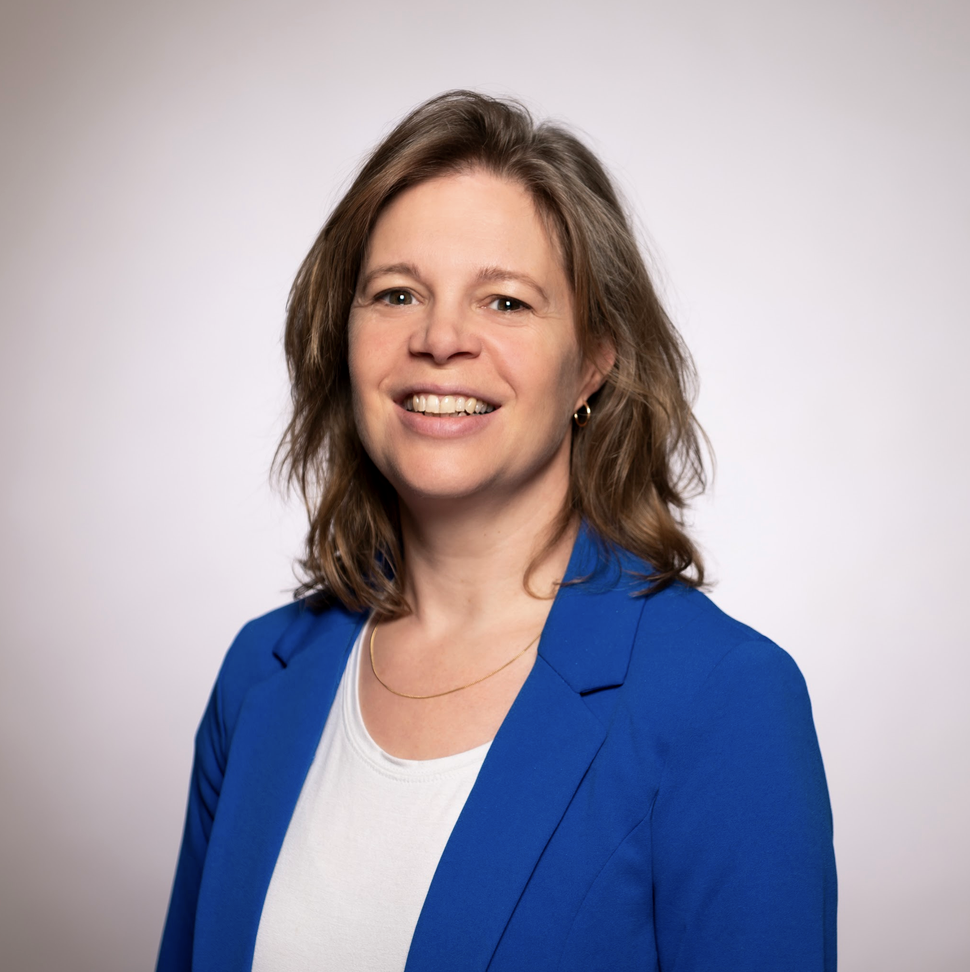
Hester Benedictus (Leessimpel): Hester built Leessimpel after a 2023 AI hackathon — a free app that turns a photo of a complicated government letter into a plain-language summary, now downloaded 250,000+ times and used to simplify over 1.5 million letters in the Netherlands and Belgium. She's since extended the idea to Schrijf Simpel, a tool that helps civil servants and communicators write in plain language from the start, with built-in feedback so users learn as they go — all privacy-first, with no text stored.
Mohamed Khemakhem (MandaNetwork.ai): An NLP researcher and ISO TC37 AI Task Force co-chair, Mohamed came to plain language as an outsider and shares four challenges he's spotted: the wrong question ("can AI do plain language?"), scaling without losing the human touch, why visuals matter as much as words, and the field's habit of skipping evaluation. He's building PLAINKit — a suite of AI tools (Pilot, Scanner, Visual, Tests) to help practitioners use AI on their own terms, launching early 2027.